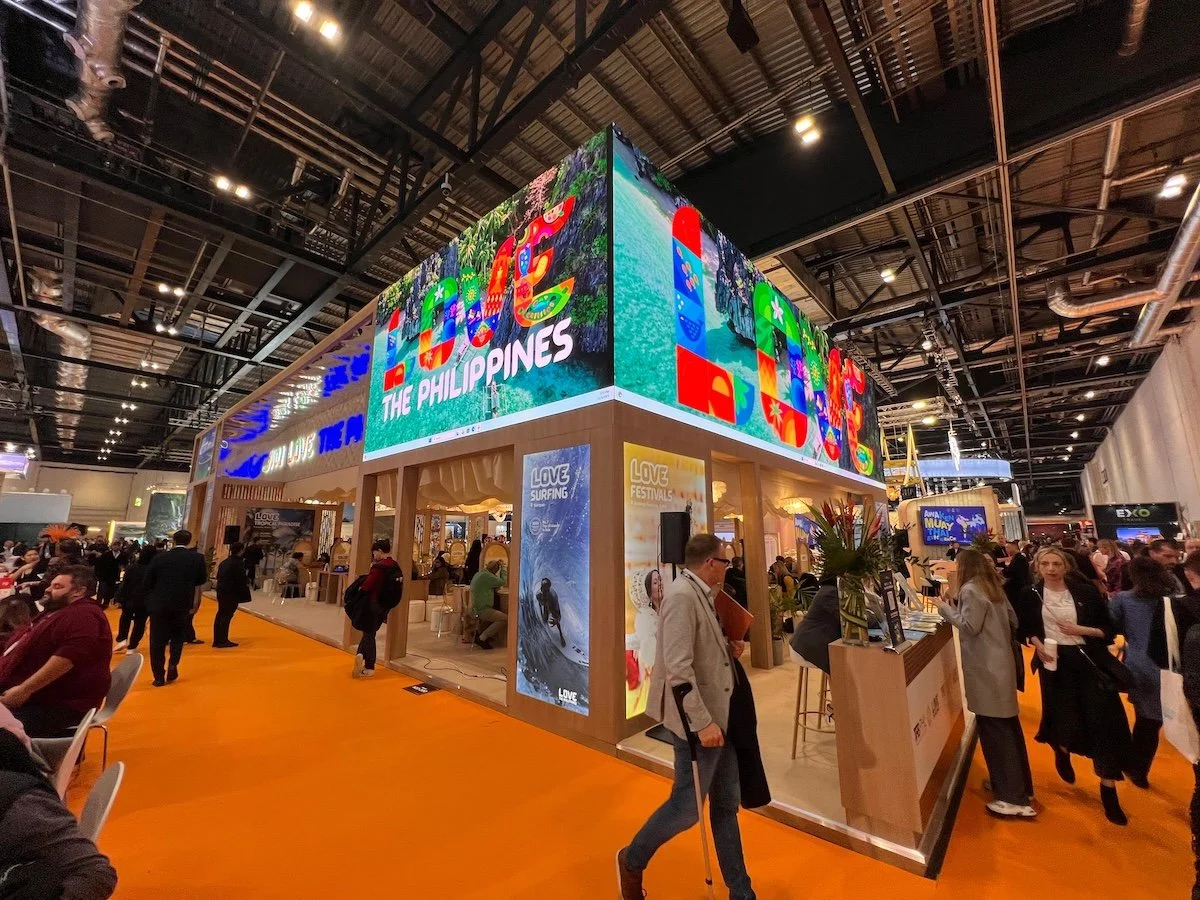
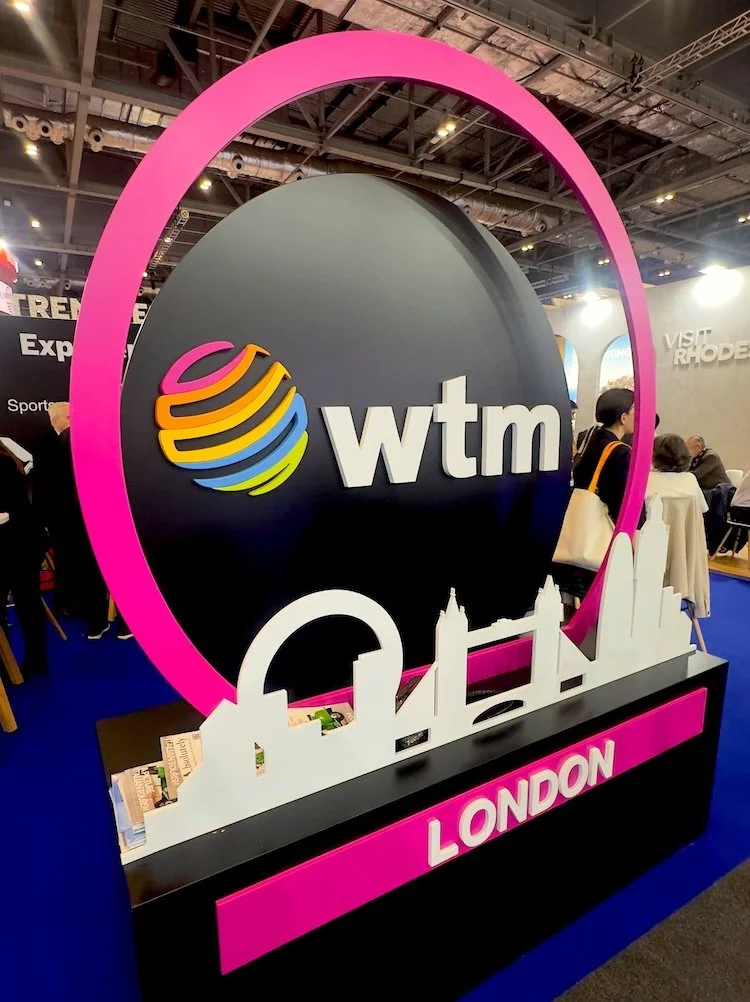
Last week, we found ourselves immersed in the energy of World Travel Market London at ExCeL, where over three days (3-5 November), the global travel industry gathered to chart its course forward. What struck us most wasn't just the scale of the trade show, but the palpable shift in how destinations and brands are thinking about their future. This year’s WTM particularly spotlighted purposeful tourism, and we were here for all of it.
Storytelling That Moves Mountains (and Markets)
The opening session of the Sustainability Summit set the tone beautifully. Jeremy Smith, an independent climate action expert, posed a provocative question: what if tourism's role wasn't just about reducing emissions, but about enabling travellers to witness and understand real-world impacts on communities?
His assertion that climate literacy "will come through what we feel, not what we read" resonated deeply with our own approach to storytelling.
Smith highlighted initiatives that exemplify this philosophy – hotels staffed by refugees, walking tours led by people who've experienced homelessness, and rice farmers in Kerala who now earn second incomes as kayak guides whilst being trained in emergency flood rescue. Beyond feel-good stories, these case studies are proof that tourism can be a genuine force for social good when communities lead the narrative.
This is exactly the kind of storytelling we champion at Good Form.
Not the glossy, detached marketing of yesteryear, but authentic, community-led narratives that create genuine connection.
When Kgomotso Ramothea from the African Travel and Tourism Association spoke about breaking down stereotypes – moving beyond "sunsets and safari" to showcase diverse experiences like community banana beer-making – she was advocating for the very approach we've built our agency around.
The Power of Diverse Voices
Perhaps the most moving session came from the Geo-Economics Summit, where Palestinian entrepreneur Aziz Abu Sarah and Israeli peace activist Magen Inon shared a stage. Both have lost family members to conflict, yet both believe in tourism's power to build bridges.
Abu Sarah's "dual narrative" tour model – featuring guides from different cultural perspectives – demonstrates something we hold as fundamental: diverse voices don't dilute a message; they strengthen it.
This principle runs through everything we do. Our influencer networks – Sisters In Sustainability (SIS) and the Good Influencer Network – are deliberately built around global majority voices and eco-conscious changemakers. Why? Because today's conscious travellers want to hear from people who reflect the world's diversity and who genuinely understand sustainability, not as a marketing buzzword, but as a lived commitment.
The DEAI Summit on day two of WTM reinforced this.
Despite "inclusion fatigue" and political headwinds in some markets, the message was clear: destinations that embrace diversity and inclusion aren't just doing the right thing morally – they're gaining competitive advantage.
Edgar Weggelaar from Queer Destinations noted that travellers go "to places where we feel comfortable and desired."
As we often say to clients: it's not complicated. Authentic inclusion attracts audiences; performative gestures don't.
China, Play, and the Experience Economy
The conversations around Chinese outbound tourism were fascinating. With destinations like Saudi Arabia aiming for five million Chinese visitors by 2030, the focus has shifted from selling itineraries to "inspiring journeys."
Robin Johnson from VisitBritain spoke about working with Chinese content creators as "fundamental" to this approach – a strategy we've seen work beautifully when executed with cultural sensitivity and authentic partnerships.
What caught our attention was the research from the "Importance of Play" session.
Seventy percent of travellers say play is essential to travel, and play has evolved into a global economic and cultural force. From Las Vegas hosting the Super Bowl to New York's campaign for the FIFA World Cup ("Where the World Comes to Play"), destinations are recognising that modern travellers – especially younger ones – are motivated by experiences, events, and authentic cultural moments.
This aligns perfectly with what we heard in our conversations with travel partners and destinations throughout the week.
The common thread? A recognition that diversifying audiences means understanding what drives different traveller segments.
Generation Alpha is already influencing their millennial parents' travel choices. Chinese travellers want authenticity and emotional connection. LGBTQ+ travellers need to feel genuinely welcomed, not just during Pride month. Disabled travellers – representing what Richard Thompson called "the last untapped market" – need clear accessibility information, not vague reassurances.
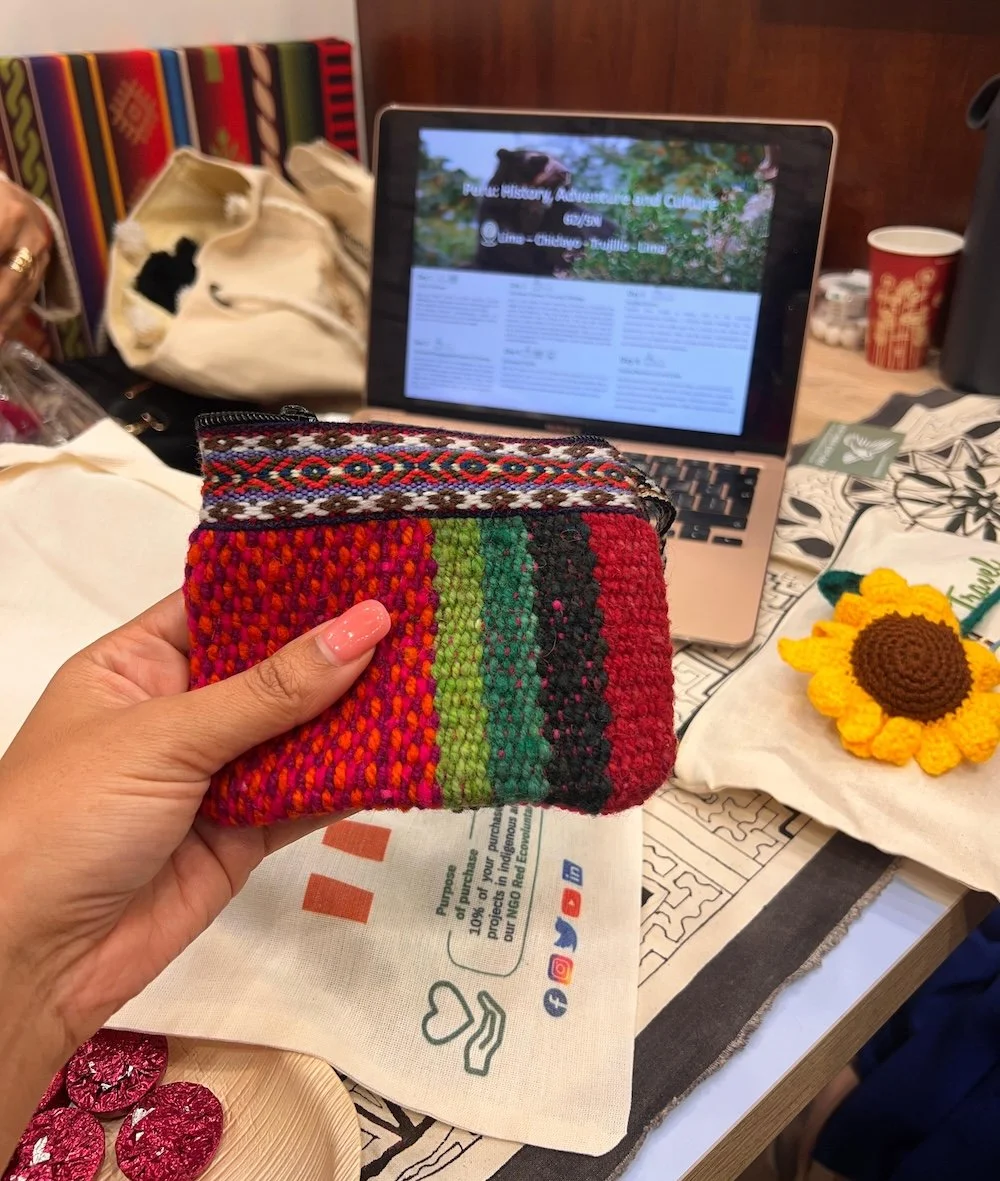
Handcrafted giveaways from Peru’s NASSF Travel, a certified B Corp tour group who work with local communities
Sustainability: From Buzzword to Business Strategy
The "say-do gap" came up repeatedly. Jane McFadzean from Trip.com Group highlighted the disconnect between travellers' intentions to be sustainable and their actual booking behaviour. The solution is "clear, credible and consistent" labels, alongside products that make sustainable choices the easy choice.
We saw inspiring examples. Hurtigruten's "open village" concept offering access to community events and hyperlocal food from 70 suppliers. Planeterra partnering with mainstream operators like easyJet Holidays to develop community tourism enterprises. These aren't simply “niche” products for a handful of "eco-warriors" – they're sophisticated offerings being integrated into mainstream travel.
But here's what we observed in our conversations with destinations: the most forward-thinking aren't gratuitously integrating sustainability as an add-on feature. They're weaving it into their core narrative, using it to showcase heritage and culture in new ways.
The Maldives, for instance, has incredible facilities that contribute to environmental wellbeing – stories that need telling not just to tick a "green" box, but to reveal the destination's deeper commitment to its future.
Egypt's Grand Egyptian Museum opening, Taiwan promoting mountain regions like Alishan or beach areas like Kenting beyond Taipei, Malta undertaking international studies on inclusion – these are destinations understanding that sustainability encompasses environmental responsibility, cultural preservation, social equity, and economic viability. It's holistic, and the storytelling must be too.
AI, Humour, and Human Connection
The AI debates were spirited. While some worried about "removing the magical human chaos of being somewhere new," the overwhelming consensus was that AI is a tool, not a threat. The key is using it to enhance human creativity, not replace it.
Similarly, the sessions on humour in travel marketing reminded us that people are "hungry for light relief."
Comedian Maisie Adam's observation that "humour is such a special language and a great tool for connection" speaks to something we believe deeply: marketing doesn't need to be serious to be effective. Authenticity can be joyful. Sustainability messaging can inspire, not scold.
What This Means for Your Destination
Doing our 20,000 steps through ExCeL last week, speaking with destinations about their three-year goals, a pattern emerged. The destinations positioned for success aren't necessarily those with the biggest budgets or the most famous landmarks. They're the ones asking better questions. Questions like:
How do we tell our story in a way that reflects our community's real voices?
How do we attract diverse audiences who align with our values?
How do we develop sustainable products that showcase our heritage authentically?
How do we move beyond performative gestures to genuine inclusion?
How do we make it easy for conscious travellers to choose us?
These are the conversations that energise us. Because this is precisely what we do at Good Form.

How Can Good Form Help You?
We’re Good Form, a purpose-driven marketing and production house specialised in travel, culture, and sustainability storytelling. We partner with destinations, DMOs, travel and hospitality brands, and tourism businesses to develop campaigns that reach audiences and resonate with them.
Through our ethical influencer networks, we connect you with global majority voices and eco-conscious changemakers with real-world experience and followings who can tell your story with authenticity and impact.
Through community-led storytelling, we ensure your narrative reflects the people who call your destination home. Through tailored communications and PR, we reach the conscious travellers who are actively seeking what you offer.
The travel industry is at an inflection point.
Purpose is the foundation of sustainable growth.
Storytelling isn't just marketing; it's how we build understanding, connection, and trust.
If what you've read here resonates – if you're ready to diversify your audiences, spotlight your heritage and culture through a sustainability lens, and position your destination for meaningful growth – we'd love to have a conversation.
Book a consultation or strategy session with Good Form. Let's explore how purposeful storytelling can open your destination to new markets and help you achieve your goals for the next three years. Because the future of travel isn't just about where people go.
It's about why they go, how they go, and who gets to tell the story.
And we're here to help you tell yours.
Ready to start the conversation? Get in touch to book your consultation today.