
What Is Cultural Consultancy? [A Cultural Consultancy Guide with Examples]

If you've landed here, you've probably seen the phrase "cultural consultancy" attached to a film, a novel, an ad campaign or a video game—usually when something went wrong, or beautifully right.
The good news is: you've come to the right place to understand it, because cultural consultancy is what we do.
Good Form is a cultural consultancy that works across advertising, books, film, TV and games — in other words, the very worlds where these questions play out. We're a team of writers, producers, and specialist cultural consultants who help brands and creators portray cultures, identities and lived experiences with accuracy, nuance and care. It's the heart of our cultural consultancy services, and it's a subject our co-founder has even been invited to explain on national radio.
So here's our jargon-free guide to what cultural consultancy is, why it matters, and what it looks like when it's done badly and brilliantly, with real case studies you'll recognise from mainstream media.
What is cultural consultancy?
Cultural consultancy is expert guidance that helps creators and brands portray cultures, identities and experiences accurately, respectfully and authentically.
It's the work of bringing in someone with the right lived experience and cultural knowledge to look at a story, a campaign or a product before it reaches the public — to catch stereotypes, blind spots and misrepresentations, and to make the work richer and truer in the process.
It isn't about censoring anyone or playing it safe. Good cultural consultancy makes creative work better, more believable, more resonant, and more likely to land with the audiences it's trying to reach. As we like to put it, a cultural consultant is an informed, trusted partner — not a gatekeeper, not a blocker, and never a moral scold. (Our co-founder Melissa unpacked exactly this in an interview on BBC Radio 4’s AntiSocial— on their Cultural Consultancy episode.)
Cultural consultancy vs culture consultancy
"Cultural consultancy" and "culture consultancy" usually mean very different things. This trips a lot of people up, so it's worth being clear about the definition of each one:
Cultural consultancy (what we're talking about here, and what we do at Good Form) is about cultural representation — how cultures, identities and lived experiences show up in books, films, games, advertising and brands.
Culture consultancy most often refers to organisational or company culture — the internal world of a workplace: values, behaviours, employee engagement, how a team actually works together. That's a completely different field, closer to HR and organisational development.
So…
If you're a novelist worried about portraying a character from another background, you want cultural consultancy.
If you're a CEO trying to fix a toxic workplace, you want culture consultancy. Same-sounding words, different worlds.
What does cultural consultancy actually involve?
In practice, it can mean a cultural review of a script or manuscript, guidance on language, history and customs, advice on casting or visual choices, or a focused sensitivity read of a finished piece. That piece can be anything from a video game to a board game to a book illustration to a billboard advert. If you want the detail on the role itself, we've written about what a cultural consultant does on our cultural consultancy services page.
For now, the easiest way to understand it is to see it in action.
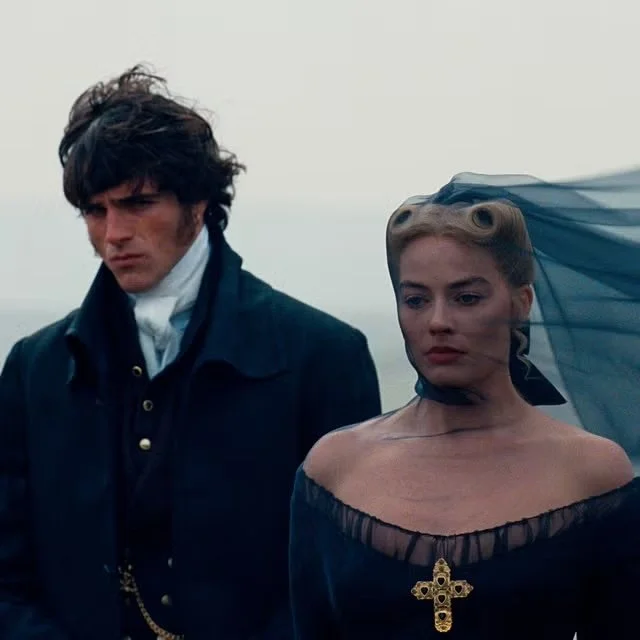
The 2026 adaptation of Wuthering Heights drew controversy over Heathcliff
Cultural consultancy in action: four real examples
Here are four real-world examples of how cultural consultancy (or the lack of it) plays out in different types of storytelling:
📚 Books — American Dirt
In 2020, Jeanine Cummins' novel American Dirt — the story of a Mexican mother and son fleeing a cartel — arrived with a seven-figure advance and an Oprah's Book Club stamp. Then came the backlash. Many Mexican and Latinx writers argued the book leaned on stereotypes and misrepresented the migrant experience, and that its marketing (barbed-wire table centrepieces) compounded the problem.
As widely reported by NPR, the debate became a flashpoint about who gets to tell which stories — and how.
The cultural consultancy lesson: the issue wasn't that an author wrote beyond her own experience — writers do that all the time. It's that writing convincingly about a culture you don't belong to takes more than research; it takes informed cultural eyes on the work. The controversy is widely credited with pushing publishing to take sensitivity readers seriously.
🎬 Film — Wuthering Heights (2026)
Emerald Fennell's 2026 adaptation, starring Margot Robbie and Jacob Elordi, drew criticism before it even opened. In Emily Brontë's 1847 novel, Heathcliff is described as dark-skinned and faces racist abuse — many readers consider his othering central to the book's themes. Casting white actor Jacob Elordi prompted accusations of "whitewashing," as covered by Variety, with a second wave of criticism over other casting choices.
The cultural consultancy lesson: people of good faith genuinely disagree about Heathcliff's race — and that's precisely the point. When a character's identity is woven into a story's meaning, casting and adaptation choices become cultural decisions with real consequences. Cultural consultancy doesn't dictate the "right" answer; it helps a production understand what's at stake and make its choices with eyes open, rather than being blindsided.
[IMAGE: subtle, non-infringing visual — e.g. an open classic novel or a film set. Avoid using copyrighted film stills. Alt: "Adapting a classic novel raises questions of cultural representation"]
📣 Advertising — Pepsi & Kendall Jenner
In 2017, Pepsi released an ad in which Kendall Jenner left a photoshoot to join a protest and handed a police officer a can of Pepsi, apparently defusing the tension. It was immediately criticised for trivialising protest movements and echoing imagery associated with Black Lives Matter. Pepsi pulled the ad within about a day and apologised.
The cultural consultancy lesson: this is the textbook "a cultural consultant would have caught this" moment. A single informed conversation early on — how will this read to the communities whose imagery we're borrowing? — could have saved a global brand a very public, very expensive misstep.
🎮 Video games — Never Alone (done right)
Now the hopeful one. Never Alone (Kisima Inŋitchuŋa), released in 2014, is a puzzle-platformer built around a traditional Iñupiaq story. It was made in genuine partnership with the Iñupiat people of Alaska: nearly 40 Alaska Native elders, storytellers and community members contributed, and the game is narrated in the Iñupiaq language, with unlockable mini-documentaries about the culture. The team's guiding principle was to make the game with the community, not merely for it. It went on to win a BAFTA for Best Debut Game.
The cultural consultancy lesson: this is what good looks like. Deep cultural collaboration didn't constrain the creativity — it became the heart of the work, producing something more original and more moving than the studio could have made alone. Cultural consultancy at its best isn't a risk-reduction exercise; it's a creative superpower.
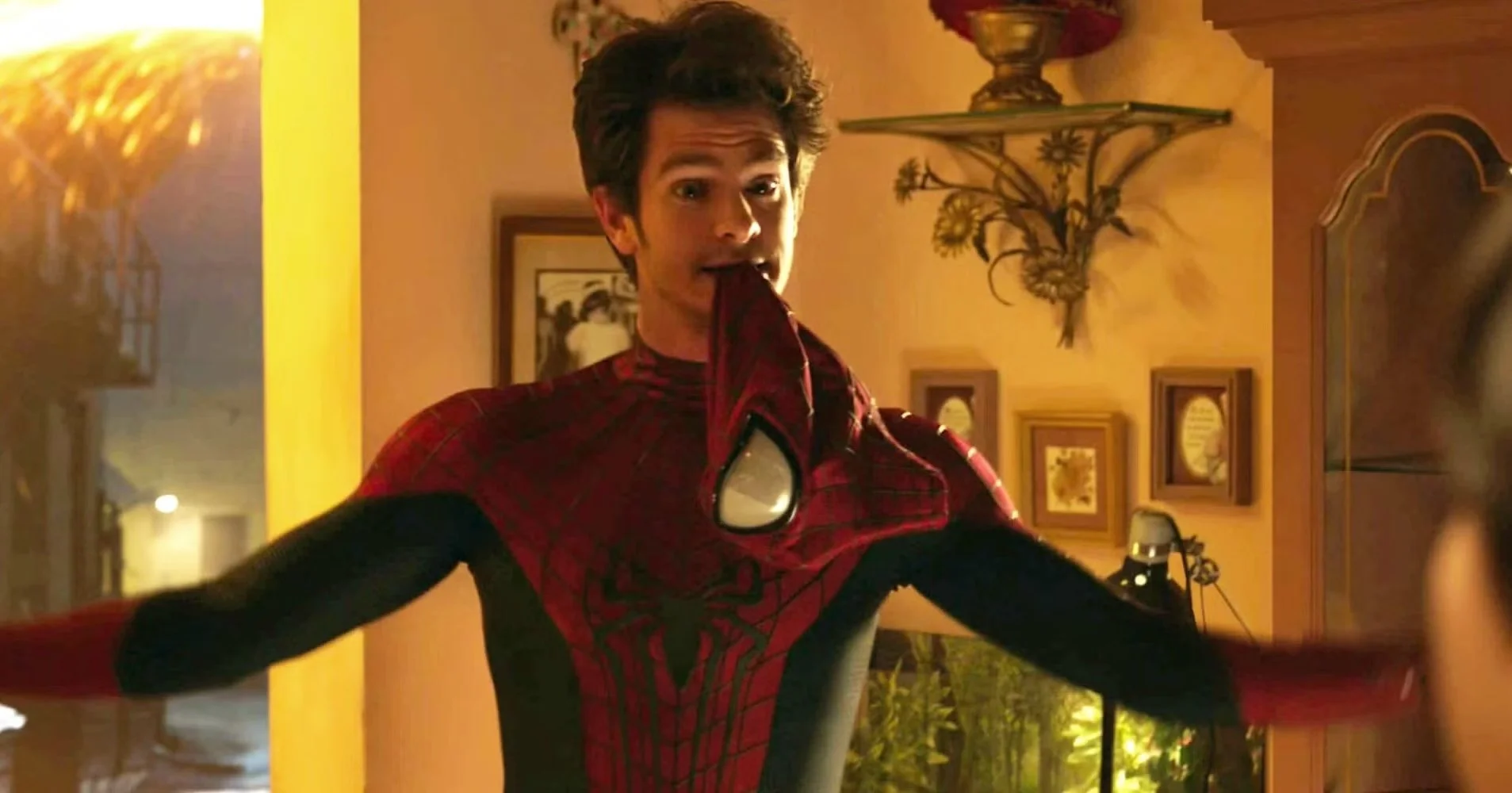
The iconic scene where Peter Parker meets Ned’s Filipino Lola in ‘Spider-Man: No Way Home’
When cultural consultancy creates true representation
Never Alone isn't a one-off. Some of the most loved screen and storytelling of recent years got that way precisely because the people who live a culture helped shape how it was told. A few you'll know:
🪄 Film — Encanto and the "Colombian Cultural Trust"
For Encanto (2021), Disney assembled a panel it called the "Colombian Cultural Trust" — Colombian anthropologists, architects, botanists, musicians and cultural experts who advised the film from early development right through production. They shaped everything from the Madrigals' house and costumes to the plants, the hairstyles and the music, with an Afro-Colombian consultant guiding the representation of Afro-Colombian characters. The result was a Golden Globe-winning film celebrated for its specificity. (Some Colombians fairly noted it could have been Colombian-led, not just Colombian-advised — a useful reminder that consultation works best when it's genuine partnership.) It's about the clearest example you'll find of cultural consultancy shaping a blockbuster — and Pixar took a similar route with Mexican culture on Coco.
🕷️ Film — Filipino culture in Spider-Man: No Way Home
In one pivotal scene, Ned's grandmother — "Lola," the Tagalog word for grandmother — speaks unsubtitled Tagalog, surrounded by small, true details of a Filipino household: the food, the duster dress, everyone respectfully calling her "Lola." Filipino-American actor Jacob Batalon helped shape the moment, and the film-makers set out deliberately to represent Filipino culture rather than flatten it into a stereotype. Filipino audiences felt seen in a way Hollywood had rarely managed — proof that authenticity rooted in lived experience resonates far beyond the community it represents.
📺 TV — British-Caribbean culture in Champion
Candice Carty-Williams' BBC/Netflix drama Champion (2023) is a love letter to Black British music, following a British-Jamaican family in South London. Written from lived experience with a diverse writers' room and original music from artists like Ghetts and Ray BLK, it renders British-Caribbean culture — from the reggae radio station to the family kitchen — with a specificity and warmth that only comes from people telling their own story.
📺 TV — Korean-American life in Beef
Lee Sung Jin's Emmy-sweeping Beef (2023) drew on its creator's and cast's lived experience to portray Korean-American and wider Asian-American life with rare honesty — the Korean church community (a real pastor and members of his congregation appear in the show), the weight of immigrant-family expectation, and the sheer diversity contained within "Asian-American" as a label. Critics praised it precisely for refusing flat, "positive" stereotypes in favour of messy, specific, fully human characters.
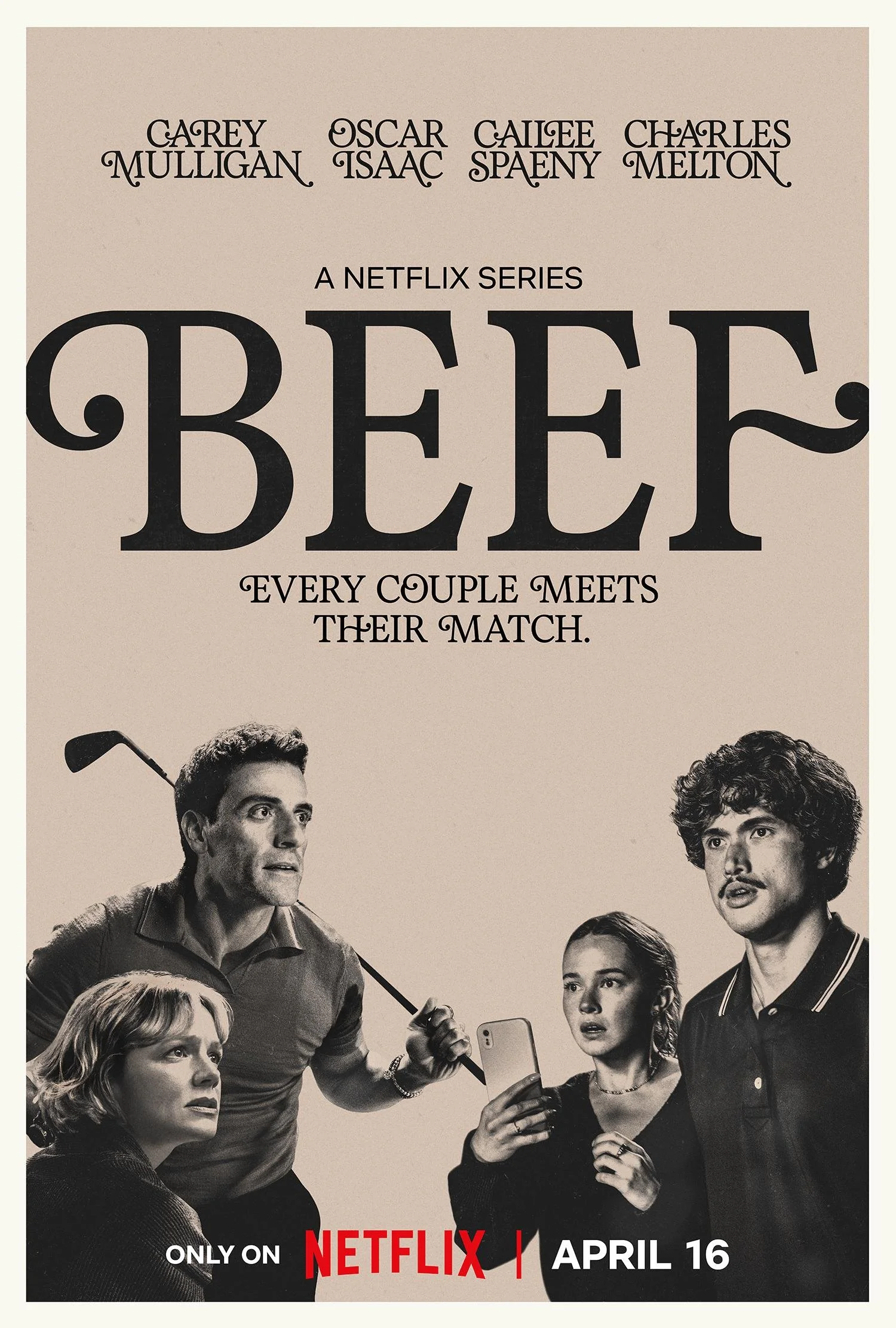
The importance of cultural consultation
Notice the common thread for each of the case studies above: in every case the work got better — more specific, more resonant, more loved — because people who understood the culture helped shape how it was told. That, in a nutshell, is what cultural consultancy makes possible.Why is cultural consultancy important?
Pulling those examples together, a few reasons stand out:
It protects your reputation. A cultural misstep can dominate the conversation around your work and overshadow everything you got right.
It builds trust with audiences. People can tell when a portrayal rings true — and they can absolutely tell when it doesn't.
It makes the work better. Authenticity and nuance are what make stories land. Cultural insight adds richness research alone can't.
It's good business. Re-shooting an ad, weathering a boycott or losing audience trust costs far more than getting an informed read early.
And to be clear, none of this is about limiting what you can make creatively. It's about helping you make it well.
Frequently asked questions
What is cultural consultancy in simple terms?
It's expert guidance that helps creators and brands represent cultures and identities accurately and respectfully — catching stereotypes and blind spots, and making the work stronger in the process.
Is cultural consultancy the same as a sensitivity read?
They overlap. A sensitivity read is a focused review of a finished or near-finished piece; cultural consultancy is broader and often earlier, advising across a whole project. Many people use both.
What's the difference between cultural consultancy and culture consultancy?
Cultural consultancy is about cultural representation in creative and brand work. "Culture consultancy" usually refers to organisational or workplace culture — a different field entirely.
Why is cultural consultancy important?
Because cultural missteps damage reputation and trust, while authentic representation makes work resonate. It protects you commercially and makes the creative stronger.
Who needs a cultural consultant?
Authors, screenwriters, film and TV productions, game studios, advertisers and brands — anyone telling a story involving a culture or experience they don't share.
Do I need cultural consultancy on my project?
Cultural consultancy is simply the practice of getting informed, respectful eyes on your work before the world sees it — so you create with confidence and integrity. Done well, as Beef and Spiderman: No Way Home show, it elevates creativity.
If you're creating a story, campaign, character or product that involves a culture, identity or experience you don't share, the answer is usually yes — at least for a conversation. That might mean broad cultural consultancy across a project, or a focused sensitivity read of a finished piece. If you're a brand, it often sits alongside wider brand consultancy.
If you’ve got a project that requires cultural consultancy, we’d love to help.
Learn more about our cultural consultancy services, or get in touch for a confidential chat.
