

Travel has always been a mirror to the world, but for too long, industry marketing has reflected only a narrow, privileged view.
I’m Melissa, co-founder and Content Director at Good Form, and as a travel creator-turned-founder, I’ve witnessed firsthand the evolution of travel storytelling.
In the past, we chased golden sunsets and curated feeds, often overlooking the deeper implications of our journeys.
Today, the landscape has irrevocably shifted. As climate concerns and overtourism become more evident in certain regions, travellers are much more aware of their own carbon footprint—as well as the sustainability credentials of the suppliers they purchase from.
Travellers demand more: accountability, transparency, and authenticity. I know I do. We want to engage with communities, understand complex histories and heritages, and tread lightly on the earth.
This transformation is a reckoning, and a fascinating shift from the ‘golden travel blogger era’ of 2017 that saw the rise of identity-driven travel.
The ‘Golden Age’ of Travel Influencing
In the mid-2010s, travel blogging and social media travel influencing spheres were dominated by a singular narrative: young, often western, individuals exploring exotic locales, capturing picturesque moments, and sharing their personal adventures.
This era was characterised by:
Aesthetic-driven content – beautiful landscapes, luxury resorts, and flawless travel experiences.
Personal branding – influencers built their identities around wanderlust, freedom, and aspiration.
Commercial partnerships – brands capitalised on the allure of travel to market products and services.
While this content was visually appealing and inspired many to explore the world, it often lacked depth and context. The stories told were predominantly from the perspective of the traveller, with little regard for the communities and environments being showcased.
The Shift Towards Conscious Travel
As global awareness of social, environmental, and cultural issues grew, so did the desire for more meaningful travel experiences. Travellers began to question:
Who benefits from tourism?
Are local communities being respected and compensated?
What is the environmental impact of our travels?
This shift led to the rise of conscious travel — a movement that emphasises:
Community engagement – collaborating with local communities to ensure mutual benefit.
Cultural sensitivity – understanding and respecting local customs, traditions, and histories.
Sustainable practices – minimising environmental footprints and supporting eco-friendly initiatives.
Brands and creators who embraced these values began to resonate more with audiences seeking authenticity and responsibility.
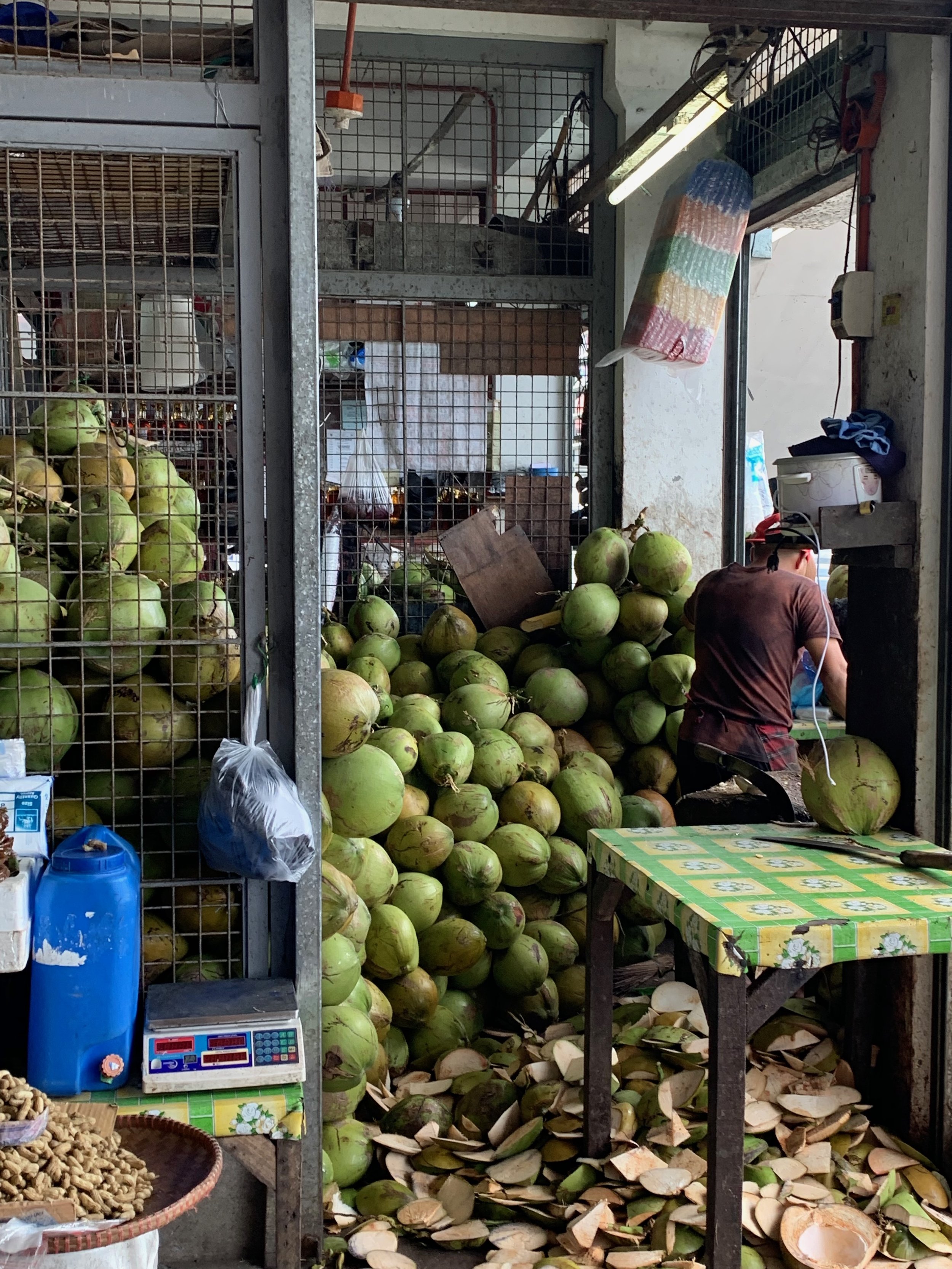
Coconut stall at a marketplace in Tagaytay / image by Melissa Legarda (@illumelation)
Decolonising Travel Media
One of the most significant changes in recent years has been the push to decolonise travel media. This involves:
Challenging dominant narratives – recognising and addressing the historical and ongoing impacts of colonialism in travel storytelling.
Amplifying marginalised voices – providing platforms for creators from diverse backgrounds to share their perspectives.
Re-evaluating representation – moving beyond stereotypes and showcasing a more accurate and diverse portrayal of destinations and cultures.
Organisations such as the RISE Travel Institute have been at the forefront of this movement, offering resources and training to help travel professionals create more inclusive and ethical content.
The Role of Creators and Agencies
As a founder of a creative agency focused on conscious storytelling, I’ve seen the industry evolve from surface-level aesthetics to deeper, more intentional narratives. Our agency collaborates with brands to:
Develop inclusive campaigns – ensuring diverse representation in all aspects of content creation.
Implement ethical practices – from sourcing materials to choosing destinations, we prioritise sustainability and respect for local communities.
Educate audiences – sharing stories that highlight the importance of responsible travel and cultural understanding.
By shifting the focus from individual experiences to collective responsibility, we aim to inspire travellers to not only explore the world but also contribute positively to it.
Moving Forward
The journey towards decolonising travel media is ongoing. It requires continuous reflection, education, and action. As travellers, creators, and consumers, we must:
Question – who benefits from the stories being told?
Listen – to the voices of those who have been historically marginalised.
Act – by supporting ethical brands, choosing sustainable options, and advocating for change.
Travel has the power to connect us, to broaden our horizons, and to foster understanding. But it also carries the responsibility to do no harm.
By embracing a decolonial approach to travel storytelling, we can ensure that the stories we tell are not only beautiful, but also just and true.
